Best Security Cameras 2026: editorial picks for Home Security
Editorial overview based on published manufacturer specifications, manuals, support policies, and public guidance.
Top picks at a glance
- Resolution
- 4K
- Resolution
- 1080p HD
- Resolution
- Retinal 2K
- Resolution
- Wide-angle Retinal 2K

- Resolution
- 3K wide + 2K telephoto (dual lens)
How we evaluate products
We compare published manufacturer specifications, manuals, support policies, and relevant public guidance. We do not present unpublished laboratory or in-home measurements as our own testing.
Features and services can change, so confirm current details with the manufacturer before buying. Affiliate commissions do not determine our editorial criteria.
Last reviewed: 2026-07-31
Products covered in this guide
Reolink
Reolink Argus 4 Pro
- Resolution
- 4K
- Night Vision
- Color
- Storage
- microSD up to 128GB
Wyze
Wyze Cam v3
- Resolution
- 1080p HD
- Field of view
- 130°
- Weather resistance
- IP65
Ring
Ring Battery Doorbell (newest model)
- Resolution
- Retinal 2K
- Zoom
- Up to 6x Enhanced Zoom
- Field of view
- 173° diagonal (140° horizontal and vertical)
Ring
Ring Wired Doorbell (newest model)
- Resolution
- Wide-angle Retinal 2K
- Zoom
- Up to 6x Enhanced Zoom
- Power
- Hardwired to existing doorbell wiring (8-24V AC)
eufy
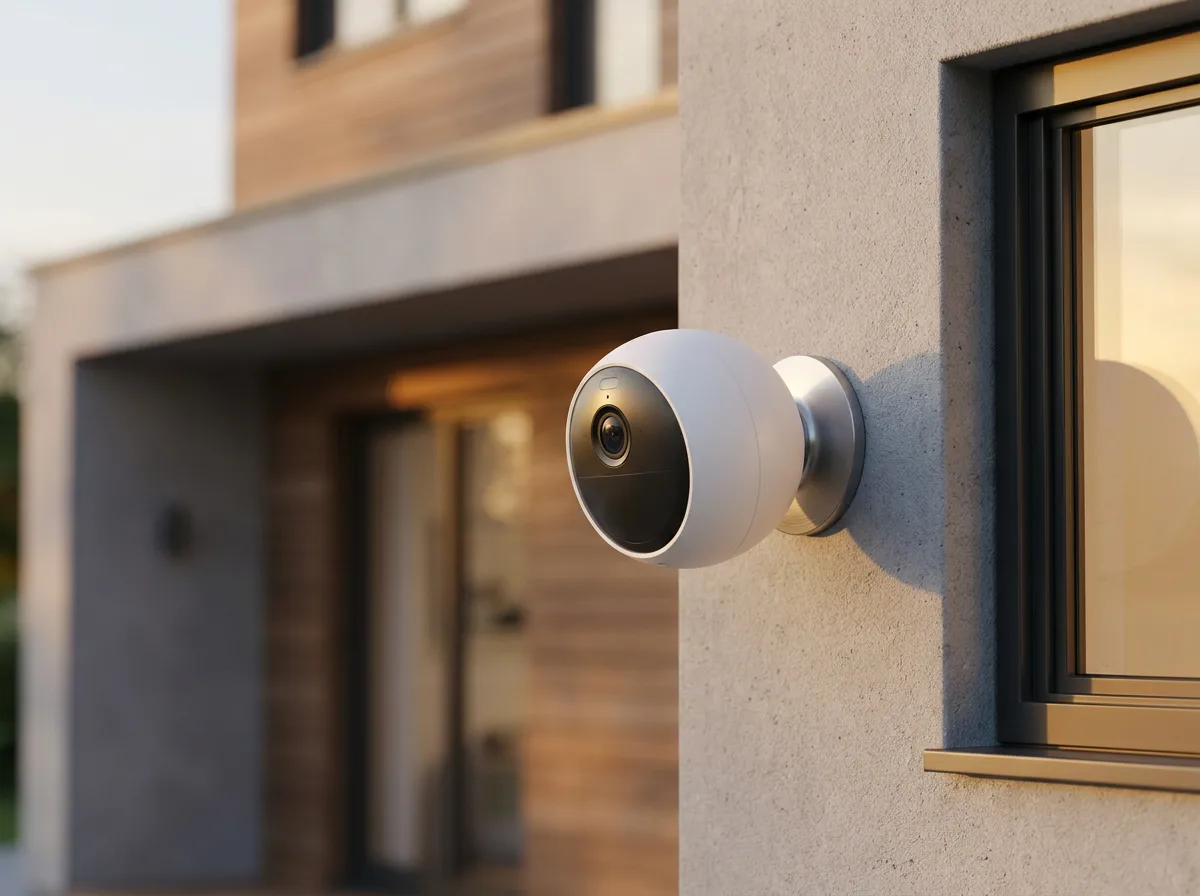
eufy SoloCam S340
- Resolution
- 3K wide + 2K telephoto (dual lens)
- Coverage
- 360° pan / 70° tilt
- Night Vision
- Color
Arlo
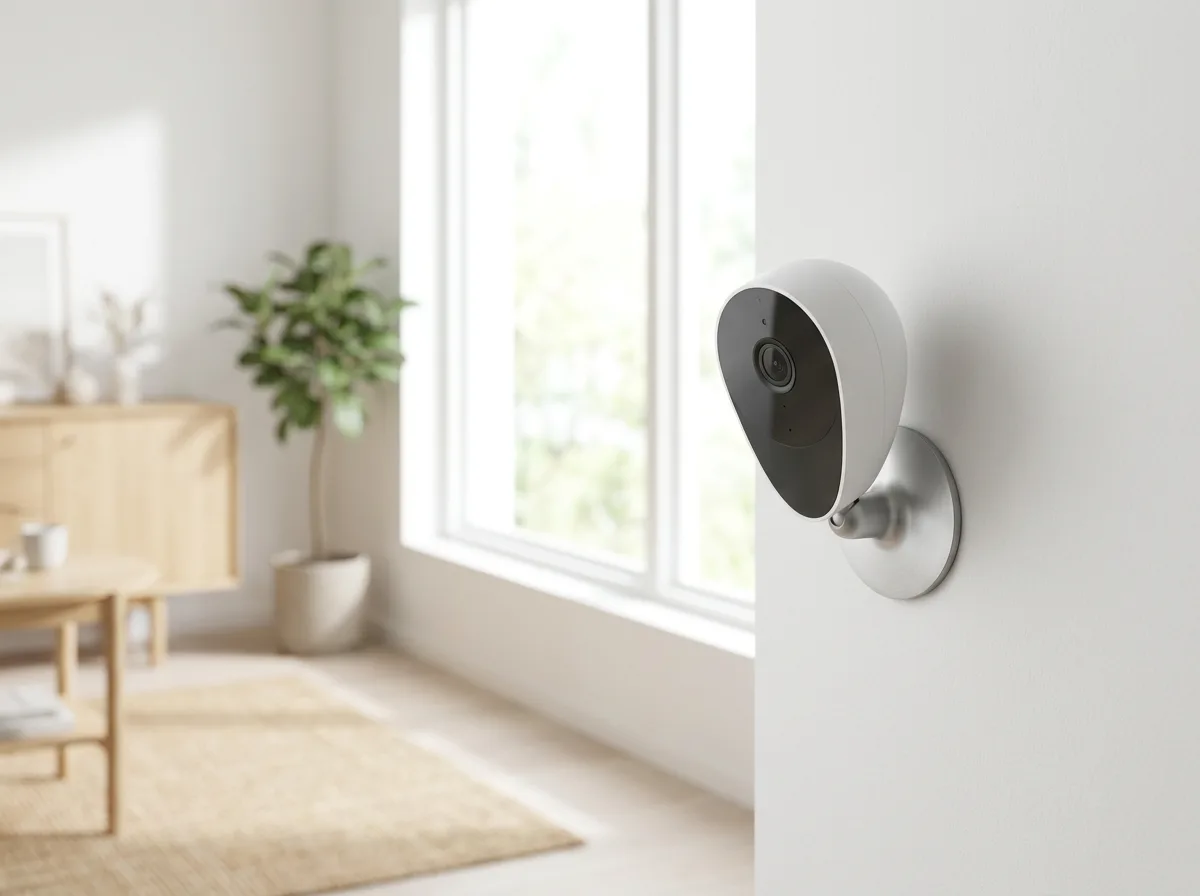
Arlo Pro 5S 2K
- Resolution
- 2K HDR
- Field of view
- 160°
- Night Vision
- Color (integrated spotlight)
Google Nest Cam (battery, 2nd gen)
- Resolution
- 1080p HDR
- Field of view
- 130°
- Night Vision
- Yes
Blink
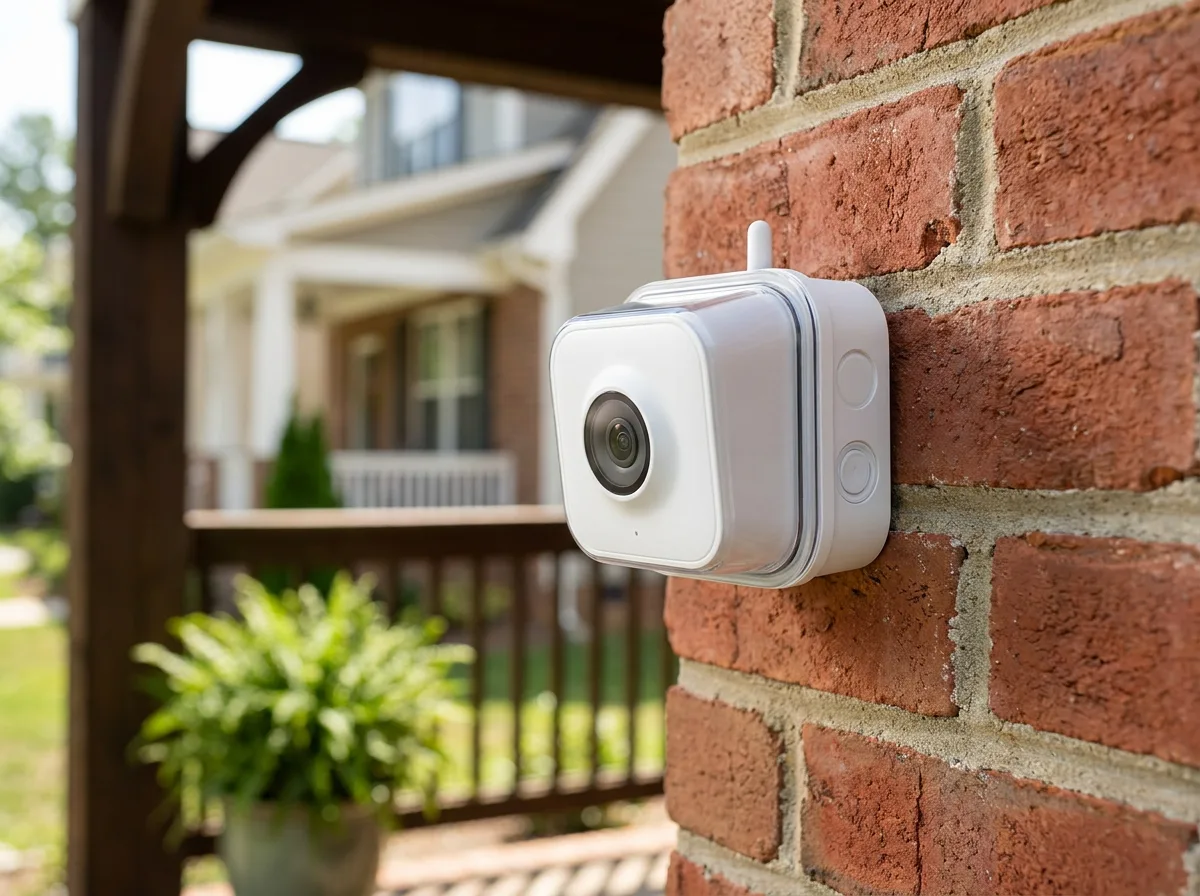
Blink Outdoor 4
- Resolution
- 1080p HD
- Field of view
- 143°
- Night Vision
- Infrared
TP-Link
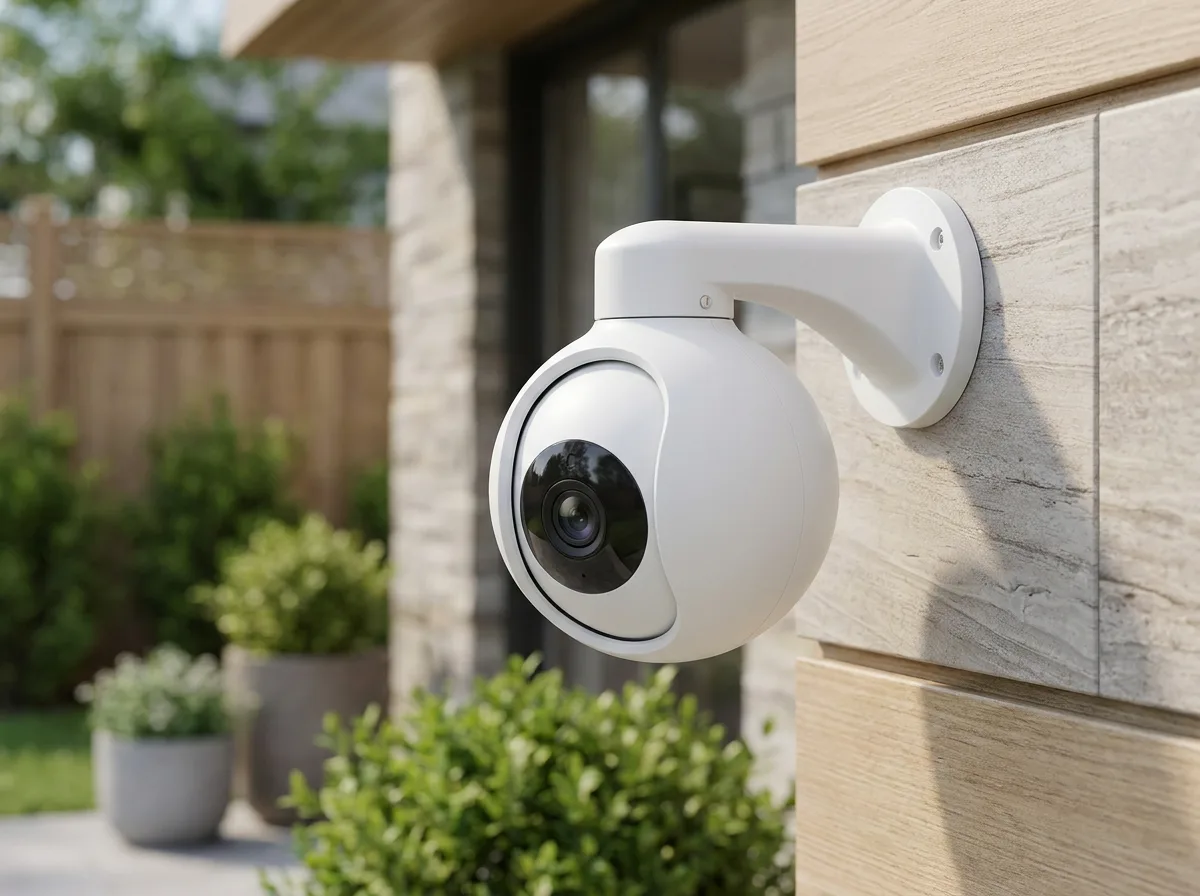
TP-Link Tapo C420S2
- Resolution
- 2K QHD (4MP)
- Field of view
- 113° diagonal
- Night Vision
- Color (starlight) + IR to 15m
The landscape of home security has shifted dramatically by 2026. Gone are the days of grainy, black-and-white footage that leaves you guessing whether that shadow on your lawn is a raccoon or an intruder. Today’s security cameras are highly sophisticated, AI-driven devices capable of distinguishing between people, pets, and vehicles, all while delivering crystal-clear video in full color, even in pitch darkness. As the technology has matured, the focus has shifted from simple recording to proactive deterrence, seamless smart home integration, and flexible storage options that respect both your privacy and your wallet.
However, with hundreds of models flooding the market, choosing the right security camera is more complex than ever. Do you need the unparalleled clarity of 4K resolution, or is a reliable 1080p camera sufficient for your needs? Should you invest in a hardwired system, rely on quick-release batteries, or harness the power of the sun with a solar panel? And perhaps most importantly, are you willing to commit to a monthly cloud storage subscription, or do you prefer the one-time cost and enhanced privacy of local storage?
Top picks at a glance
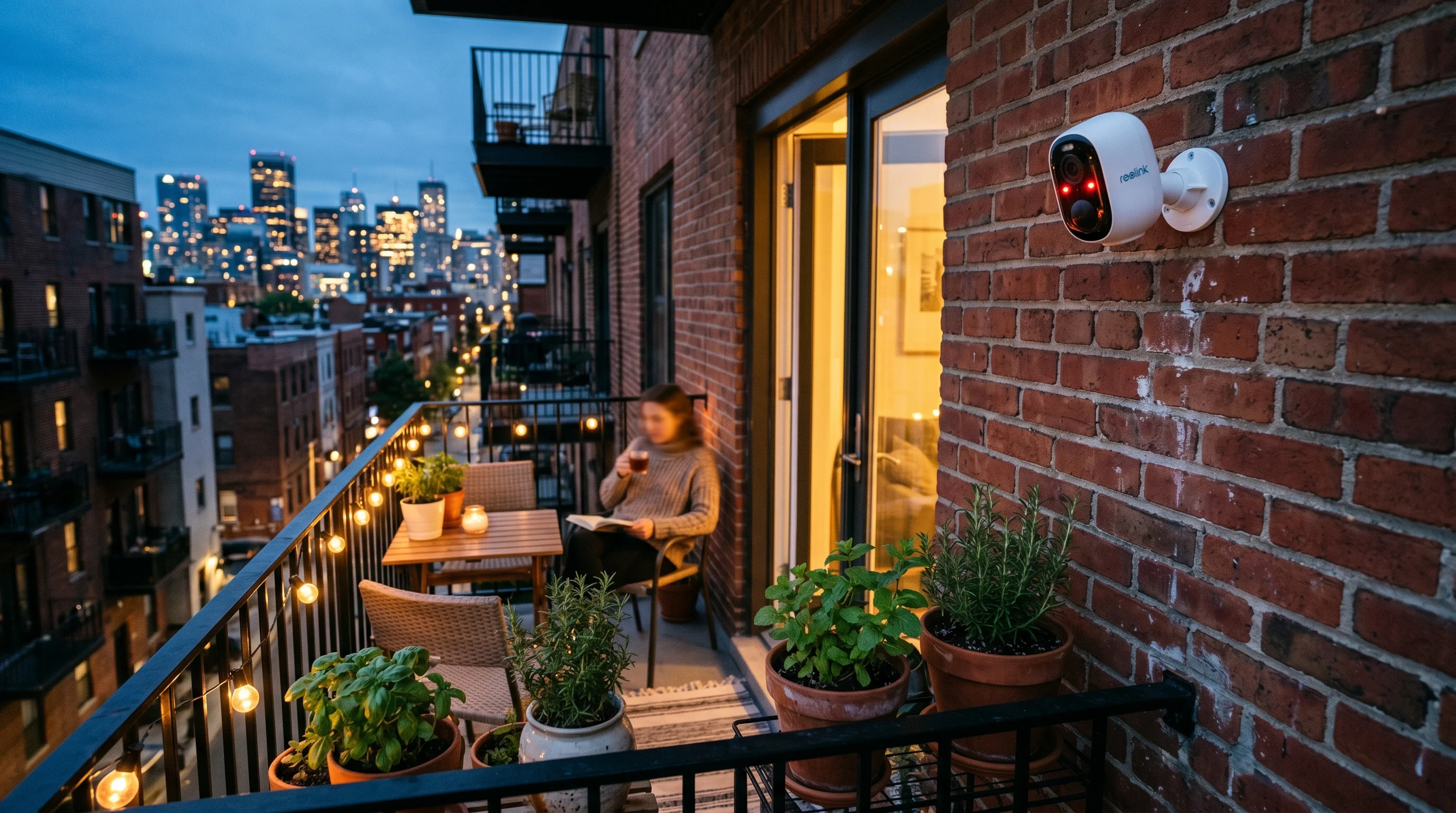
Best overall: Reolink Argus 4 Pro (ASIN: B0FH4Y71KB) The Reolink Argus 4 Pro represents the pinnacle of current standalone security camera technology. Boasting true 4K resolution, an expansive 180-degree field of view achieved through innovative dual-lens stitching, and vibrant color night vision, it leaves virtually no blind spots. Its compatibility with solar panels for continuous power and its reliance on local microSD storage make it an absolute powerhouse for those who want top-tier performance without the burden of ongoing subscription fees.
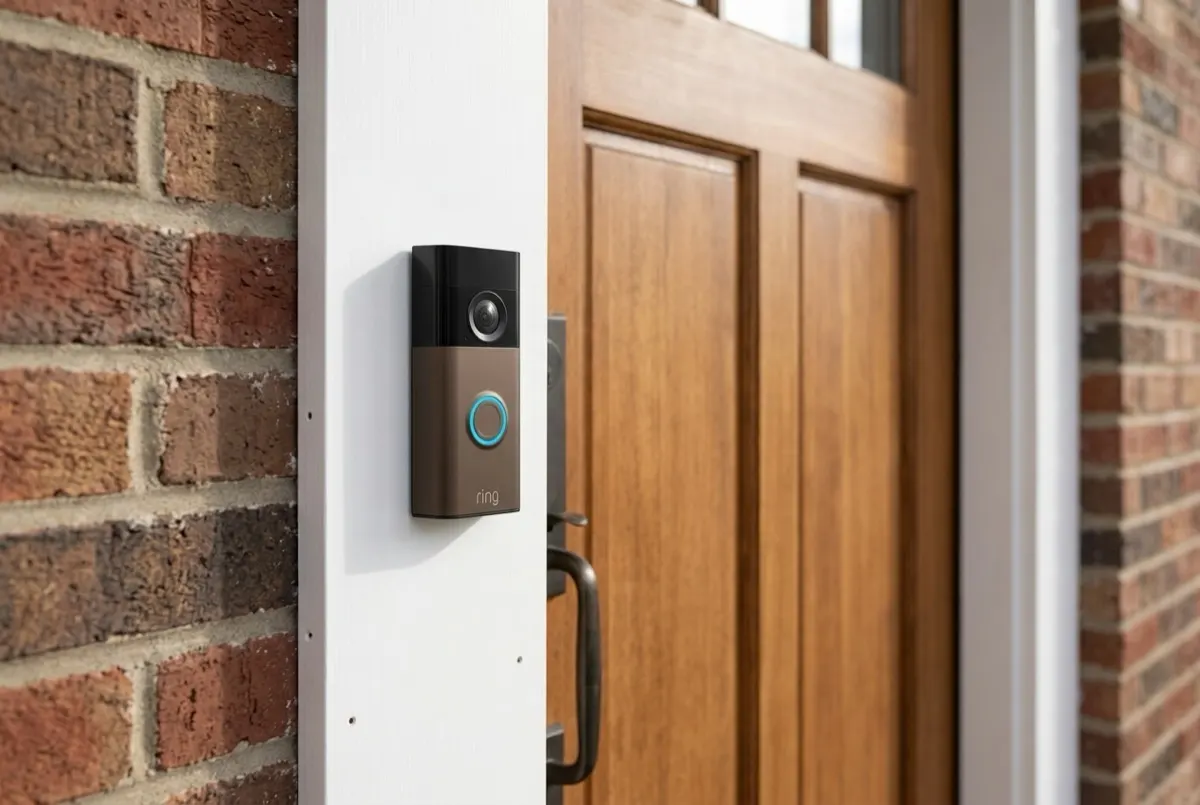
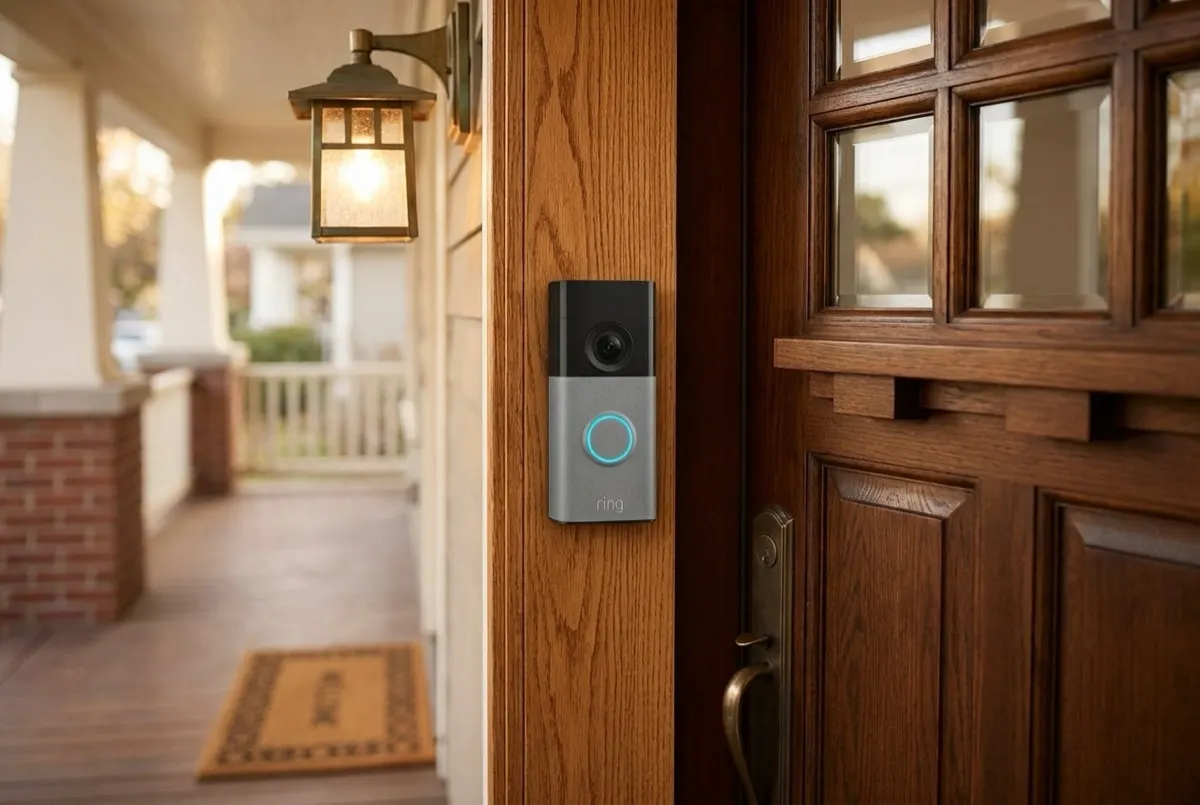
Best video doorbell: Ring Battery Doorbell (ASIN: B0GT5C485J) For the doorstep, the current Ring pick is the newest Battery Doorbell, which upgrades to Retinal 2K with up to 6x Enhanced Zoom and a wide head-to-toe view that captures both the caller and a package on the mat. It installs anywhere with no wiring, and live view, two-way talk, and motion alerts work with no plan, though recorded history requires a Ring Home subscription. Homes with existing doorbell wiring can choose the Ring Wired Doorbell (ASIN: B0FJJ66YZ1) for the same sensor with constant power and nothing to recharge.
Archived product note: Ring Video Doorbell 4 Ring confirms that the Video Doorbell 4 is no longer manufactured. It is not part of SafeHive’s current picks and has no purchase CTA here. Existing owners can use Ring’s official Video Doorbell 4 support for setup and help.
Best overall
Reolink Argus 4 Pro (ASIN: B0FH4Y71KB)
Performance and features The defining feature of the Argus 4 Pro is its true 4K resolution paired with a staggering 180-degree field of view. Most security cameras utilize a single lens that captures between 130 and 160 degrees, inevitably leaving blind spots at the extreme edges of your property. Reolink solves this by employing a dual-lens system. The camera simultaneously captures two high-resolution images and uses advanced internal processing to seamlessly stitch them together in real-time. The result is a panoramic, distortion-free view that can cover an entire front yard, driveway, and porch simultaneously.
Nighttime performance is equally impressive. The Argus 4 Pro features advanced color night vision that utilizes a highly sensitive image sensor and dual built-in spotlights. Unlike older cameras that require immense amounts of ambient light to maintain a color image, the Argus 4 Pro can render vibrant, accurate colors in near-total darkness. This is a critical security feature; being able to tell police that an intruder was wearing a red jacket and driving a blue sedan is infinitely more useful than describing varying shades of gray.
Connectivity is robust, thanks to the inclusion of dual-band Wi-Fi (2.4GHz and 5GHz). Security cameras traditionally rely on the crowded 2.4GHz band, which can lead to buffering and connection drops in smart-home-heavy environments. The ability to connect to the faster, less congested 5GHz band ensures that the massive 4K video streams load almost instantly on your smartphone, with virtually zero latency during two-way audio communication.
Pros and cons Pros:
- Unmatched 4K clarity with a seamless 180-degree panoramic view.
- Exceptional color night vision that retains detail in pitch darkness.
- Dual-band Wi-Fi ensures rapid live-feed loading and stable connections.
- Zero mandatory subscription fees thanks to robust local storage.
- Solar panel compatibility allows for set-it-and-forget-it continuous power.
- Renter-friendly magnetic mount makes installation and adjustment effortless.
Cons:
- Higher upfront cost compared to entry-level 1080p cameras.
- The dual-lens design makes the physical camera body wider and more conspicuous than single-lens models.
- 4K video files are large, requiring a high-capacity microSD card for extended video history.
The ideal buyer The Reolink Argus 4 Pro is the ultimate choice for homeowners who refuse to compromise on video quality and want maximum coverage from a single vantage point. It is particularly ideal for privacy-conscious consumers who despise the industry trend of locking basic security features behind monthly paywalls. If you have a wide driveway, a sprawling backyard, or simply want the peace of mind that comes with knowing your camera will capture every single detail in ultra-high definition, the Argus 4 Pro is the best camera on the market.
Best budget camera
Wyze Cam v3 (ASIN: B08R59YH7W)
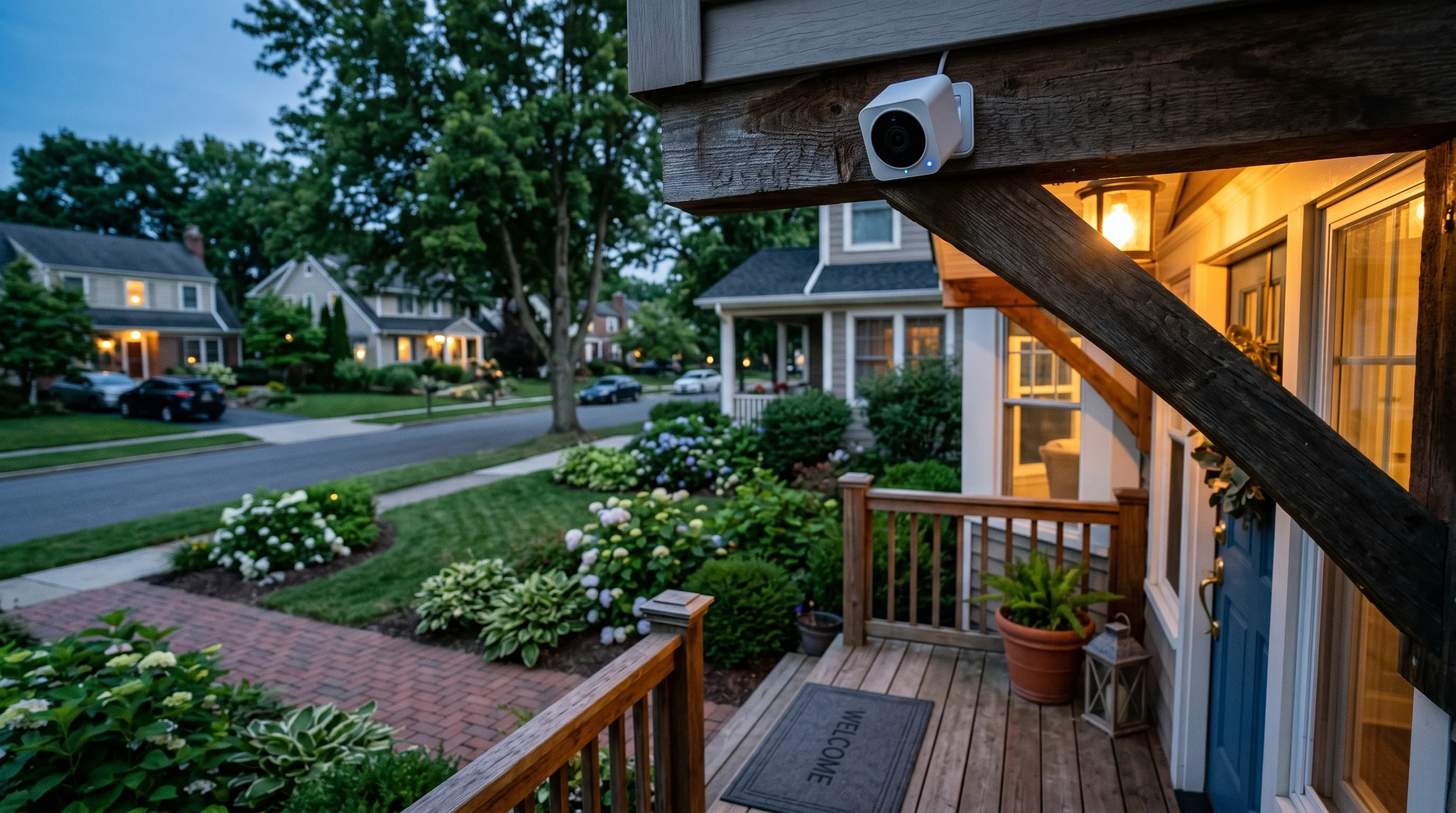
Performance and features At its core, the Wyze Cam v3 is a 1080p HD camera with a 130-degree field of view. While 1080p is no longer the bleeding edge of resolution in 2026, Wyze has optimized their image processing to squeeze every ounce of clarity out of the sensor. Daytime footage is crisp, well-saturated, and perfectly adequate for monitoring living rooms, nurseries, porches, and garages.
Unlike its predecessors, which were strictly indoor cameras, the v3 boasts an IP65 weather resistance rating. This means it is completely sealed against dust and can withstand low-pressure water jets from any direction. You can confidently mount it under the eaves of your roof, on a fence post, or completely exposed to rain and snow without fear of failure.
Another massive advantage of the Wyze Cam v3 is its support for 24/7 continuous recording. By inserting a microSD card (up to 256GB) into the base of the camera, you can set it to record non-stop, overwriting the oldest footage when the card is full. This ensures that you never miss an event due to a delayed motion trigger or a brief Wi-Fi outage. While Wyze does offer a "Cam Plus" cloud subscription that adds AI detection (person, pet, package, vehicle) and unlimited cloud clip lengths, the camera remains highly functional without it, relying on its local continuous recording.
The camera is hardwired, meaning it must be plugged into a standard electrical outlet. While this limits placement slightly compared to battery-powered models, it eliminates the chore of climbing ladders to recharge batteries and ensures the camera has the constant power required for its 24/7 recording capabilities.
Pros and cons Pros:
- Unbeatable price-to-performance ratio.
- Starlight sensor delivers jaw-dropping color night vision.
- IP65 weather rating allows for true indoor and outdoor versatility.
- Supports 24/7 continuous local recording via microSD.
- Compact, unobtrusive design fits anywhere.
Cons:
- Resolution is limited to 1080p, which means digital zoom is pixelated compared to 2K or 4K models.
- Requires a constant power source; it is not battery operated.
- Advanced AI features (person/package detection) require a paid Cam Plus subscription.
- The included power cable is not rated for extreme outdoor exposure without additional weatherproofing accessories.
The ideal buyer The Wyze Cam v3 is perfect for almost everyone. It is the ideal entry point for someone building their first smart home security system on a tight budget. It is also perfect for power users who want to blanket their property with cameras; for the price of one premium 4K camera, you can buy four or five Wyze Cam v3s and cover every single angle of your home. If you want reliable, continuous recording, incredible night vision, and do not mind running a power cable, there is simply no better value in the industry.
Best video doorbells
A doorbell camera is the one position on a property almost every household ends up filling, and Ring's newest models are the current recommendation for anyone inside the Alexa and Ring ecosystem. Both share the same Retinal 2K sensor and up to 6x Enhanced Zoom, and both frame a visitor head to toe so a parcel left on the mat stays in view rather than hiding in a blind spot below the lens.
Ring Battery Doorbell (ASIN: B0GT5C485J) The Battery Doorbell is the flexible pick. A quick-release rechargeable battery means it installs anywhere, wiring or not, which makes it the natural doorbell for renters and for doors that never had a wired chime. It streams live video, supports two-way talk, and sends real-time alerts with no plan, and it can slow-charge from existing doorbell wiring or a Ring solar accessory where those are available.
Ring Wired Doorbell (ASIN: B0FJJ66YZ1) The Wired Doorbell is the set-and-forget pick for a home that already has a working doorbell transformer. It draws constant power, so there is never a battery to recharge, and it responds a moment faster because it never sleeps. It is the more compact and affordable of the two, at the cost of needing existing 8-to-24-volt wiring and offering no backup during a power cut.
The honest caveat applies to both: recorded video history, person and package alerts, and the ability to scroll back through the day all require a Ring Home subscription, and neither doorbell offers local storage. As live intercoms and deterrents they work without a plan; as a saved record of the doorstep they depend on one. Households set against recurring fees should weigh a local-storage doorbell instead, accepting a less polished app in exchange for footage that stays at home.
Known limits and who should skip
Each current pick carries a documented trade-off that can rule it out.
Reolink Argus 4 Pro. Local storage is a microSD card capped at 128 GB, so long 4K recording histories are bounded by card capacity rather than by a cloud plan.
Wyze Cam v3. Resolution tops out at 1080p with a 130-degree field of view, so fine detail at distance and any digital zoom are limited next to the 2K and 4K picks on this page.
Ring Battery Doorbell. Live view, two-way talk, and motion alerts work with no plan, but recorded event history requires a Ring Home subscription and the spec sheet lists no local storage option.
Ring Wired Doorbell. The same subscription dependency applies to recorded history, and installation requires existing 8-to-24-volt doorbell wiring — with no battery aboard, there is no backup during a power cut.
Households unwilling to pay any recurring fee for recorded history should start from the local-storage picks and their alternatives pages, such as Reolink Argus 4 Pro alternatives and Wyze Cam v3 alternatives; anyone who only needs the doorstep covered should look at the best video doorbells page instead.
Ring Video Doorbell 4: archived support note
Historical reference for existing owners
Ring lists the Video Doorbell 4 as no longer manufactured. The historical feature notes below are retained only to help existing owners understand the device; they are not a ranking, buying guide, or retailer recommendation. For current assistance, use Ring’s official support page.
Power flexibility is a major selling point. The Doorbell 4 utilizes Ring’s standard Quick Release battery pack. You can easily pop the battery out, charge it via USB, and slide it back in without ever having to unmount the doorbell from the wall. Alternatively, if you have existing doorbell wiring, you can hardwire the Doorbell 4. In this configuration, the house wiring provides a constant trickle charge to the battery, essentially eliminating the need to ever manually charge it while still retaining battery backup during a power outage.
The Ring app experience is second to none. It is highly intuitive, allowing you to draw precise, customizable motion zones to prevent passing cars from triggering alerts. It integrates flawlessly with Amazon Alexa; you can set your Echo devices to chime when the doorbell is pressed or automatically display the live video feed on an Echo Show.
However, it is vital to understand that the Ring experience is heavily reliant on a Ring Protect subscription. Without a subscription, the Doorbell 4 acts merely as a digital peephole—you get motion alerts and can view the live feed, but no video is saved, and you cannot review past events.
Pros and cons Pros:
- Color Pre-Roll ensures you never miss the beginning of a motion event.
- Excellent HDR video processing handles difficult backlighting effortlessly.
- Flexible power options: use the Quick Release battery or hardwire it.
- Flawless integration with the Amazon Alexa ecosystem.
- Highly customizable motion zones reduce false alerts.
Cons:
- Requires a monthly Ring Protect subscription to save and view recorded video.
- 1080p resolution is lower than some newer 2K doorbell competitors.
- The vertical field of view is not optimized for seeing packages placed directly against the door.
Existing-owner guidance This discontinued model is retained as an archive for owners who need context about its hardware and support requirements. Do not treat it as a current recommendation; use Ring’s official support page when maintaining an existing unit.